
Put some weight on those bones
Being diagnosed with osteopenia can be jarring, unsettling, and upsetting. To some, being told that they have osteopenia is a sign that they are “old.”
While it is true that people generally start to lose bone density as they get older (starting generally after one’s 30s), an osteopenia (or even osteoporosis) diagnosis isn’t the end-all, be-all.
Looked at another way, having osteopenia is a warning, and nothing more. It is your body telling you that you need to make some lifestyle changes before things get worse (osteoporosis).
No drugs needed.
No outrageous workout routine.
No radical diet.
Just some simple changes in two main areas.
First (and my favorite) is exercise. Specifically, you need to put some weight on your bones.
One way you can accomplish this by doing weight bearing, movement based exercises, such as walking briskly or climbing stairs. Once you get comfortable with this, I highly recommend adding a weight vest to safely intensify your workout. (Here is a LINK to my thoughts on weight vests.)
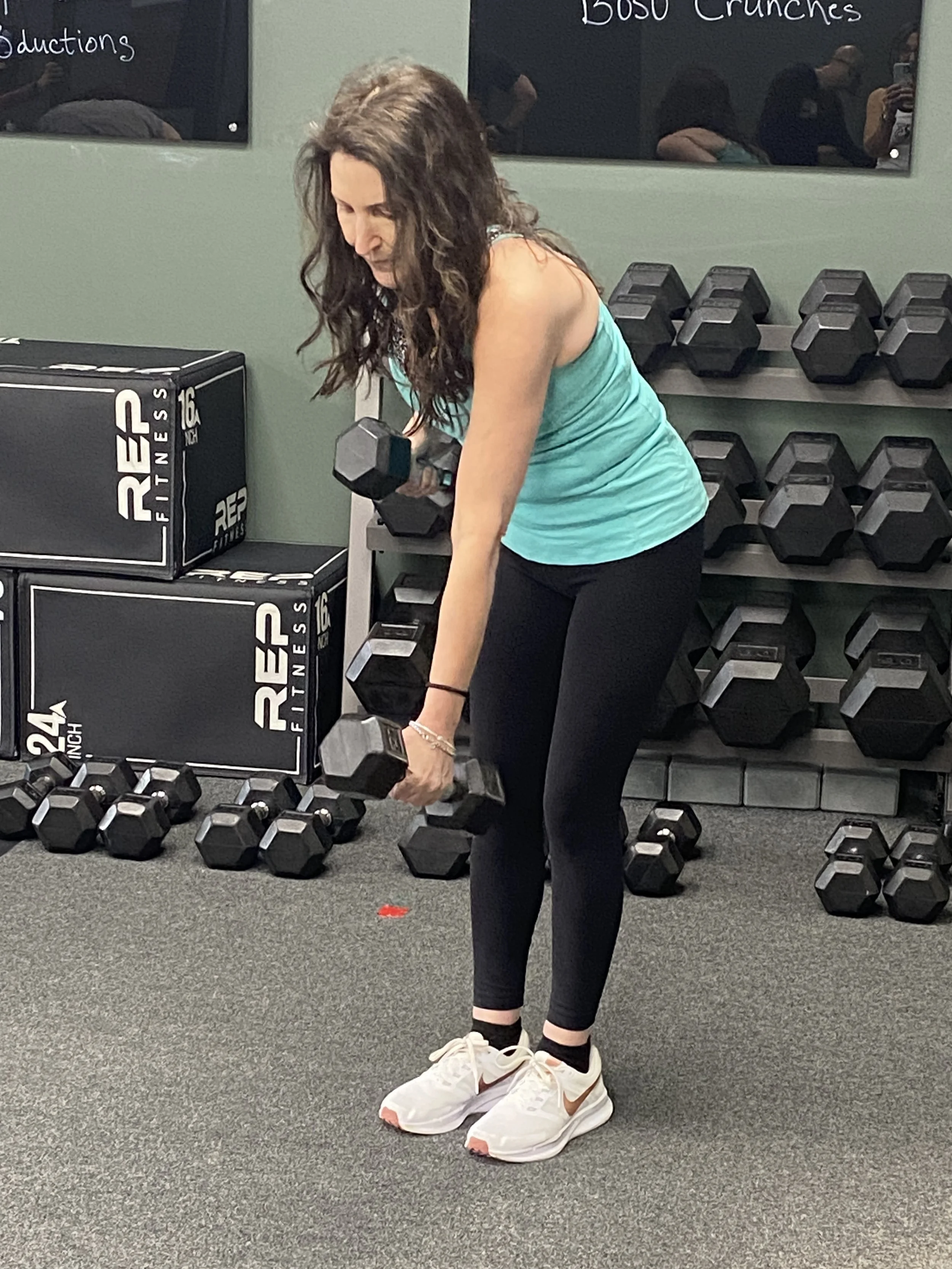
Another way to strengthen your bones is resistance training. You can do this with many types of equipment, including dumbbells, kettle bells, sandbags, medicine balls, or resistance bands.
And a way that you might not think of is jumping, provided that it is safe for your joints, of course. Every time you land (safely) you stimulate bone growth. It doesn’t have to be much. In fact, less can be more, because if you over-do it and injure yourself, you may end up out of action for an extended period, which is not what we want!
While you can do any of these at home, we strongly recommend exercising with someone experienced and knowledgeable in helping you get started, progressing as you get stronger, and modifying for preexisting injuries.
Regarding nutrition, your best bet is to add foods rather than supplements, that give your body what it needs to build itself back up.
I’ll start with the (in my eyes) easiest and most important thing: Protein. Your body uses the amino acids in protein for building and repairing itself. (It has a host of vital other uses, but one thing at a time.) The most readily available amino acids come from animal sources, and I personally favor protein from animals (including fish) that are locally sourced, free-range, and antibiotic/hormone free. Does this cost more? Yes. Is it worth it? To me, yes! If I have to have less of it, so be it. I’m also a huge fan of fish, particularly salmon and sardines. Eating plants is another way to get protein, but it isn’t as bioavailable, and you have to eat a lot of it to get to one’s desired protein level.
Making sure you’re getting enough vitamins and minerals is another key for improving your bone health. Vitamin D3 (fatty fish, fortified dairy products, cod liver oil, sun exposure) and calcium (dairy again, leafy greens, leafy greens, nuts and seeds, sardines) are particularly important.
I’m not a fan of absolutes, but cutting alcohol and smoking are things to be avoided, if not eliminated entirely.
And a bonus for reading this far: Balance work! It’s a fun way to prevent falls in the first place. Yoga, Tai Chi, and balance beam work are excellent ways to improve your balance.
So if you hear those words, “You have osteopenia,” it is a sign that you need to change some things. It is not an excuse to treat your body with kid gloves. It needs to be challenged!
It is not an accident that everything you just read are things we espouse at Revity3. We are experts in helping people become the healthiest, both physically and mentally, versions of themselves.
Come see for yourself.
Coach Dylan
